Route · Magdeburg → Munich

Moving from Magdeburg to Munich

Munich is the longest tour in this route network: a good 525 kilometres, first on the A14 to the A9, then straight down the A9 into the south. Here a moving day usually turns into a two-day tour, and the distance share weighs on the price as heavily as nowhere else. We arrange the move with a partner firm and work out the long haul transparently.
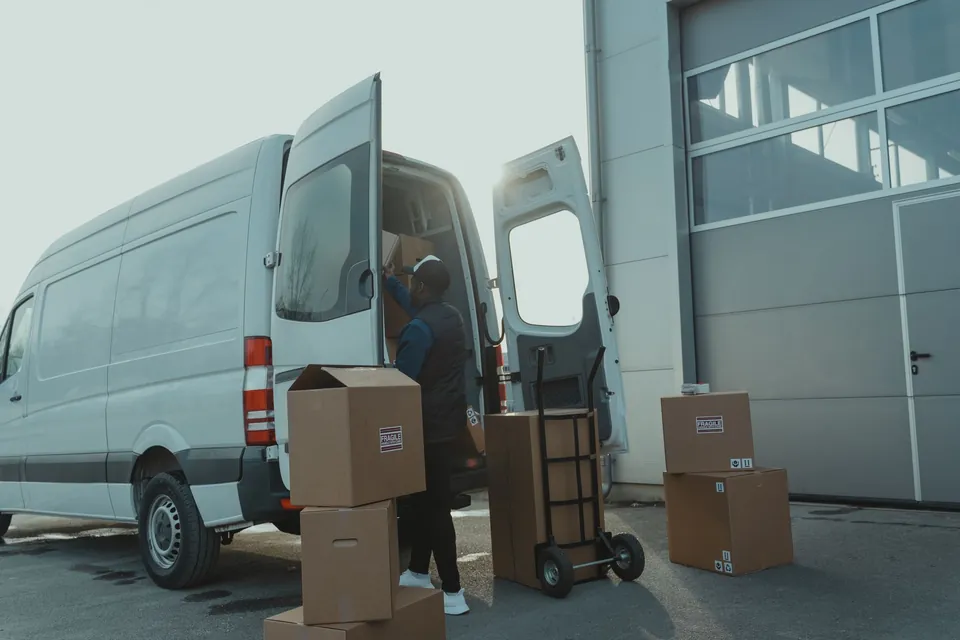
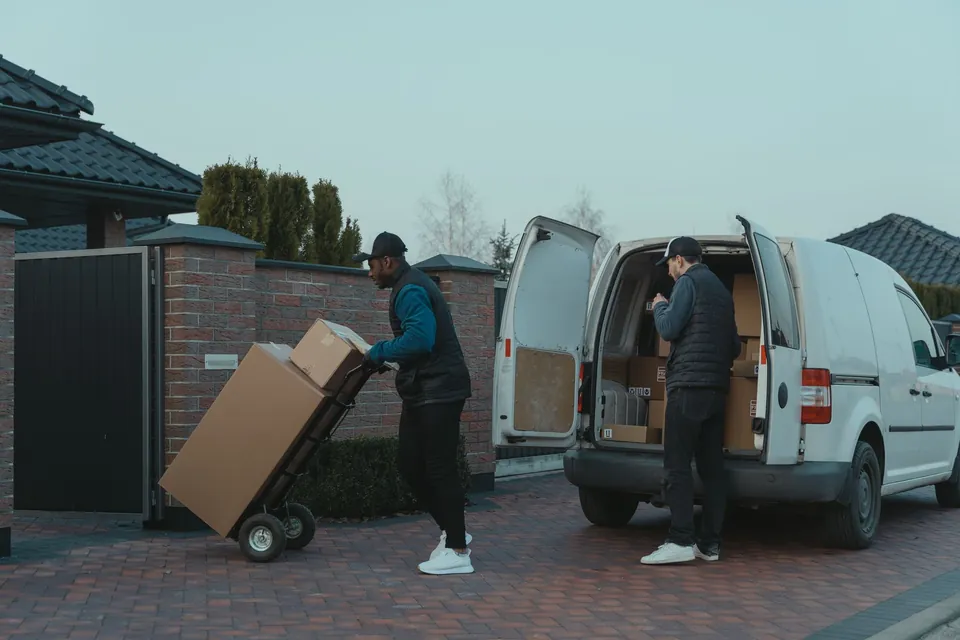
Umzugswagen wird in Magdeburg für die weite Fahrt nach München beladen

The route in figures

Key facts for the longest route

Distance

approx. 525 km

Pure driving time

approx. 5:30 h

Motorway

A14 towards Halle to the A9, then A9 straight through towards Munich

After the switch onto the A9 the vehicle stays on the same motorway all the way to Munich — past Leipzig, Bayreuth, Nuremberg and Ingolstadt. At five and a half hours each way the firm factors in breaks and driving times; that's why the two-day tour is the normal case here, not the exception.

What the move costs

Price ranges for the long-distance move

On this route the distance share dominates: at €0.25 to €0.50 per kilometre, over 525 kilometres it comes to €131 to €263 — more than five times the Halle route. On top comes the volume at €15 to €30 per cubic metre (roughly 10 m³ per room), plus the base flat rate; on a two-day tour the team's overnight stay weighs in as well.

That's why clearing out before a long-distance move pays off twice: every cubic metre saved reduces both the volume share and the loading time at both ends. The following values are market ranges without the overnight item; the binding final price is worked out by the partner firm as soon as your key details are in.

1-room ~15 m³
610–1.260 €
2-room ~22 m³
710–1.670 €
3–4-room ~38 m³
950–2.400 €
Sackkarre mit gestapelten Kartons für den Fernumzug nach München

Arriving on the Isar

Munich: scarce parking, clear deadlines

Parking space in Munich is tight — free lorry spots right outside the front door are the exception. A Halteverbotszone (temporary no-stopping zone) applied for in good time at the destination is on this route therefore no comfort but the basis of the plan: it decides whether the unloading on the second day runs through briskly or drags on for hours.

The move into Bavaria is subject to registration as everywhere: § 17 of the Federal Registration Act gives two weeks to register at the Bürgerbüro (citizens' office), after which a fine can loom. For individual pieces of furniture or a part-load to Munich, a Beiladung (part-load shipment) is often worth more than a lorry of your own.

Two days, one plan

How the two-day tour to Munich unfolds

Day one belongs to the loading and the stretch: loading in Magdeburg in the forenoon, then south via the A14 and A9; the team stays overnight near the destination. Day two begins with unloading in the reserved no-stopping zone and ends with the assembly of the large furniture. Your things stay locked in the vehicle overnight — valuables, documents and medicines you nonetheless take with you, in your own car or on the train.

On timing it's worth a look at your own journey: set the flat handover in Munich for the forenoon of the second day and you receive the team with the key already in hand, avoiding paid waiting time. The more tightly your planning and the firm's are interlocked, the less idle time ends up in the bill.

What happens next

Get a quote for the Munich route

For a long-distance move of this length the preparation counts double: exact addresses, flat size, floors and photos of the bulky items let the partner firm cost the days on the road, the team and any overnight stay cleanly. The pricing logic in detail is shown on the page moving costs in Magdeburg, the overview on the home page. On the same southern corridor start the move to Halle and the move to Dresden.

Frequently asked

Around the route to Munich

Does the move to Munich take two days?

Often, yes. At around 525 kilometres and about 5:30 hours of pure driving each way, loading, driving and unloading quickly turns into a two-day tour: day one loading and driving, day two unloading at the destination. Small households with an early start occasionally manage it in one very long day — the partner firm decides that from the volume and the floors.

How important is a no-stopping zone in Munich?

More important than almost anywhere else. Parking space in Munich is notoriously scarce; without a reserved zone the lorry may end up far away or double-parked. The zone is applied for at the destination with lead time — the partner firm handles that on request.

Where can you save the most on this long stretch?

With less volume. Over 525 kilometres every superfluous cubic metre costs twice: once during loading and once via the distance share. Clearing out before a long-distance move lowers the price on this route more clearly than on any short one.